
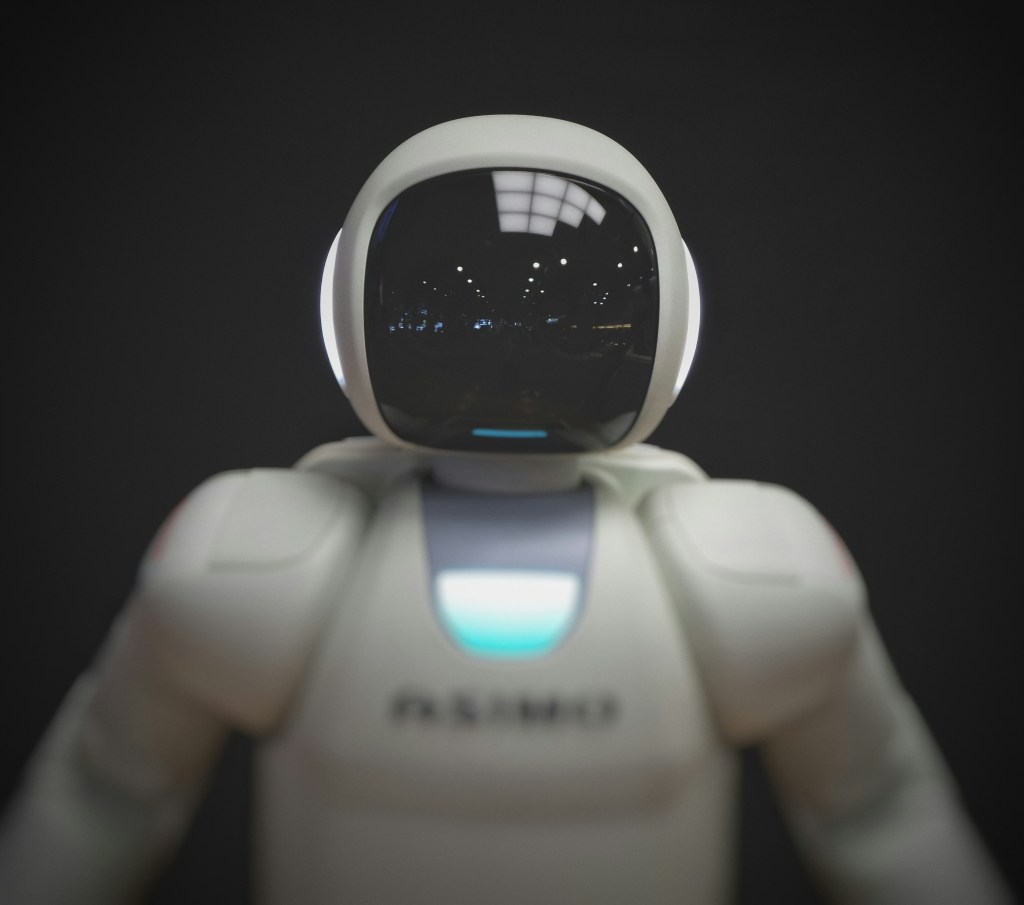
In the coming decades, human-like robots, known as Humanoids, could become common companions in everyday life. These advanced machines are designed to mimic human appearance, behaviour, and movement, featuring bipedal walking, human-like limbs, and the ability to perceive and interact with their environment through visual, auditory, and tactile sensors. Their familiar form and intuitive design make them effective partners for interaction and collaboration.
Our Frontier Assessment suggests that Humanoids will have a transformative impact on society, with widespread adoption expected in the next 6-10 years or beyond. Equipped with advanced AI, sensors, actuators, and multi-modal algorithms, these robots can perform tasks traditionally done by humans. Through end-to-end AI integration, Humanoids can learn from data and adapt their behavior, significantly enhancing their capabilities in dynamic and complex environments.

According to Goldman Sachs, the total addressable market (TAM) is projected to reach $38 billion by 2035, up from $6 billion today. The growth is expected to be driven by technological advancements and investments in AI and robotics, rising demand from different sectors and increasing acceptance and comfort. Further, reduction in manufacturing costs will enhance the economic viability of robots in both factory and consumer applications.
Uses and Implications for Different Industries
Humanoids are used in various industries, including manufacturing, healthcare, logistics, and disaster relief. Their use helps reduce human exposure to hazardous environments, perform repetitive tasks, assist in elderly care, enhance operational efficiency, and handle dangerous situations. While Humanoids offer significant benefits, their increasing use raises concerns about job displacement, although they also create new job roles related to their maintenance and programming.
Manufacturing: Humanoids are increasingly used in manufacturing settings, particularly for tasks that are dangerous, repetitive, or require high precision. Their deployment in industries like automotive manufacturing helps reduce human exposure to hazardous environments, such as high-temperature areas or chemical exposure. These robots can perform tasks like assembly, quality inspection, and material handling, which are crucial for maintaining efficiency and safety.
Healthcare: Humanoids play a pivotal role in assisting with elderly care, rehabilitation, and providing support to patients. They can perform basic care tasks, assist in lifting or moving patients, and provide companionship, which is especially valuable in eldercare settings. The integration of AI allows these robots to understand and respond to human emotions, making them effective in therapeutic environments.
Logistics and Warehousing: Humanoids are used in logistics and warehousing to automate sorting, packing, and transporting goods. They enhance operational efficiency by collaborating with human workers or autonomously in environments that demand flexibility and precision. Their ability to navigate complex spaces makes them ideal for tasks that require adaptability, such as dynamic picking and packing. Humanoids assist hospitals by performing tasks like delivering medication, disinfecting areas, and even entertaining patients. Agility Robotics is deploying Humanoids in warehouses to handle tasks such as moving e-commerce totes, which helps address labor shortages.
Disaster Relief and Hazardous Environments: Humanoids are also employed in disaster relief operations, where they can perform search and rescue missions in environments that are unsafe for humans. In hazardous industries, such as nuclear energy or chemical manufacturing, they can handle dangerous tasks that involve exposure to toxic substances, high radiation, or extreme temperatures. This capability reduces the risk to human workers and improves the speed and efficiency of operations.
The potential for applications for Humanoids is significant and will likely apply to other sectors such as agriculture, construction, hospitality and entertainment.

Key Players
The humanoid robot landscape is fast evolving and features prominent technology players who are making significant strides. Leading companies from China and Japan also play in this space. Here are some key players to watch:
Agility Robotics, an American company, focuses on building versatile Humanoids like Digit, which are designed for logistics, material handling, and last-mile delivery tasks. The robots are intended to work alongside humans in warehouses and fulfillment centers, providing flexible automation solutions that can adapt to a variety of roles within logistics and industrial settings. The emphasis is on robust locomotion and adaptability in unstructured environments.
Boston Dynamics, Renowned for its advanced robotics, particularly the Atlas robot (see video here). Atlas, is a highly advanced bipedal robot designed for agility, balance, and complex task execution. Atlas is primarily used as a research and demonstration platform to showcase the potential of advanced robotics in environments that require mobility and dexterity, such as search and rescue missions, industrial automation, and hazardous work environments. While Atlas is known for feats like parkour, backflips, and complex navigation, Boston Dynamics has other Humanoids – ‘Spot’ for inspection and exploration and ‘Handle’ for Warehousing support.
Engineered Arts, a UK-based company, specialises in creating Humanoids for entertainment, research, and public interaction. Its robot Ameca is designed as a platform for AI development, and it can engage in natural conversations and is used for research and public interaction. Here is Ameca discussing the future. Engineered Arts emphasises AI integration and human-like interaction. Their goal is to develop highly interactive robots that can engage with people naturally.
Figure AI develops Humanoids, designed to handle physically demanding and repetitive tasks across various industries. Its robot, the Figure 01 is proficient in manufacturing with tasks like assembly, welding, and inspection; in logistics, it sorts and transports packages; in warehousing, it manages inventory by picking, placing, and organising items; and in retail, it stocks shelves and handles inventory. Figure AI continues to enhance its AI capabilities through partnerships with OpenAI and Microsoft.
Hanson Robotics is famous for Sophia, a social humanoid robot. Sophia can interact with humans and has been used in various public relations and educational roles The company focuses on human-robot interaction and AI-driven communication.
Honda’s humanoid robot, ASIMO, was one of the early pioneers in humanoid robotics. Although now retired, ASIMO set the stage for Honda’s ongoing research in robotics, focusing on creating robots that can assist people in everyday life, including elderly care and personal assistance. Honda continues to explore robotics technology to improve mobility and support aging populations.
Kawasaki Heavy Industries has developed the Kaleido humanoid robot, primarily targeting disaster response and hazardous work environments. Kaleido is designed for resilience and precision, with the ability to perform tasks in dangerous settings, such as nuclear plants or disaster zones. Kawasaki focuses on creating robots that can replace humans in roles that are too risky, leveraging advanced robotics and AI to enhance safety and efficiency.
SoftBank Robotics is best known for its Pepper and Nao robots, which are designed for customer interaction, education, and service roles. These humanoids are used in retail, hospitality, and healthcare to interact with customers, providing information and assistance in a friendly, human-like manner.
Sanctuary AI develops Humanoids focused on versatility and AI-driven task execution . Its Phoenix Humanoid, powered by the Carbon AI control system, can perform a wide range of human tasks and work alongside people.
Tesla’s humanoid robot, known as Optimus, focuses on leveraging advanced AI and robotics technologies to automate tasks across various industries that are repetitive, dangerous, or otherwise undesirable for human workers. Tesla aims to integrate these robots into manufacturing settings initially, with future aspirations for broader consumer use.
Ubtech Robotics, a Chinese robotics company, focuses on developing Humanoids for both consumer and business applications. The company is known for its Walker robot, designed to assist in smart home environments, elder care, and business service roles. The aim is to create Humanoids that can interact naturally with humans, leveraging AI for speech recognition, gesture control, and autonomous navigation, aiming to integrate robots into everyday life.
As the adoption of Humanoids increase, we expect that there will be new entrants into this growing ecosystem of Humanoids and broader robotics area (see market map).
We encourage you to visit the websites of these companies and explore the incredible innovation in Humanoids.
Outlook for Humanoids
The potential and outlook for humanoids is highly optimistic, with their adoption expected to become as common as electric vehicles and smartphones. In a podcast with Peter Diamandis, the Founder of Figure AI predicted that there could be as many as 10 billion Humanoids by 2040. As the technology continues to mature, humanoids are anticipated to play an expanding role in industries such as healthcare, logistics, and domestic environments.
The industry is on a path toward broader adoption, driven by continuous innovation, increased investments from governments and the private sector, cost reductions, and a growing range of applications. However, challenges persist, particularly in creating general-purpose Humanoids capable of performing a wide array of tasks, including household chores and elderly care. Overcoming technological hurdles such as the development of advanced actuators and precise movement control will be crucial for achieving wider acceptance.
The industry must also address concerns related to job displacement and the potential misuse of Humanoids in undesirable contexts, such as conflicts. Policymakers and companies will need to find ways to balance the benefits of automation with employment needs, and manufacturers must ensure transparency about the intended uses of their technologies.
Overall, the development of Humanoids is progressing rapidly, with companies continuously exploring new commercial applications and enhancing the robots’ capabilities. As technology advances, we can expect these robots to become more integrated into everyday life, providing valuable support and boosting human productivity across various sectors.
Don’t miss out on the latest updates and exclusive content from Frontiers of Technology. Subscribe now and receive regular updates.
 Frontiers of Technology